Conservation through cultivation
Sometimes Botanical Scout begins with a seed collected just before the bulldozers arrive.
Saving a seed can preserve the possibility of a plant. It cannot preserve the landscape, relationships, and living community that gave the plant its place.
Why growing these plants matters
Keep the plant growing. Remember what cannot be replaced.
Many of the seeds I find come from plants growing along roads that are being widened or on land being cleared for construction. When it is apparent that the plants and their seeds will soon be destroyed, I feel compelled to save what I legally can—with permission when the land is not public—and give those seeds another opportunity to grow.
This is especially meaningful in the Lower Rio Grande Valley of Texas. According to the U.S. Fish and Wildlife Service , only 10 percent or less of South Texas native thornscrub remains in a natural state. Most has been lost to agriculture, urban development, roads, and industrial activity.
Thornscrub is not simply a collection of thorny plants. It is a living community.
Shrubs, small trees, vines, cacti, and other plants form dense, interwoven layers adapted to intense heat, drought, variable rainfall, and occasional freezes. Together they create shelter, food, shade, and protected passage. Because the Lower Rio Grande Valley lies where temperate and subtropical regions meet, its thornscrub supports an extraordinary variety of birds, butterflies, pollinators, reptiles, and mammals—including the endangered ocelot.
These are a few of the animals that help reveal what an intact plant community supports.
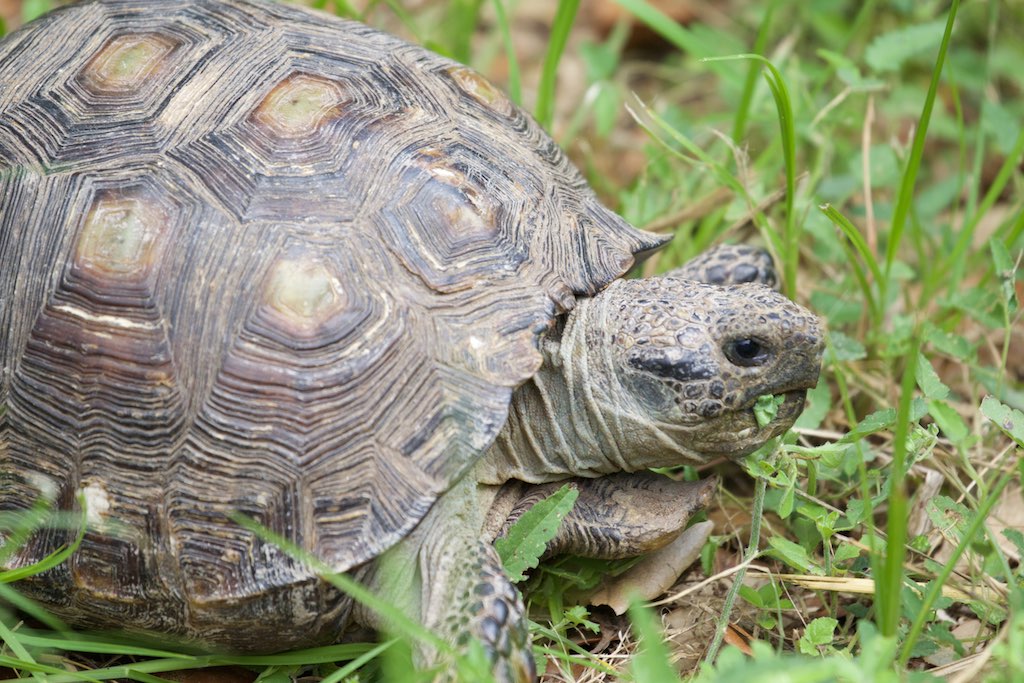
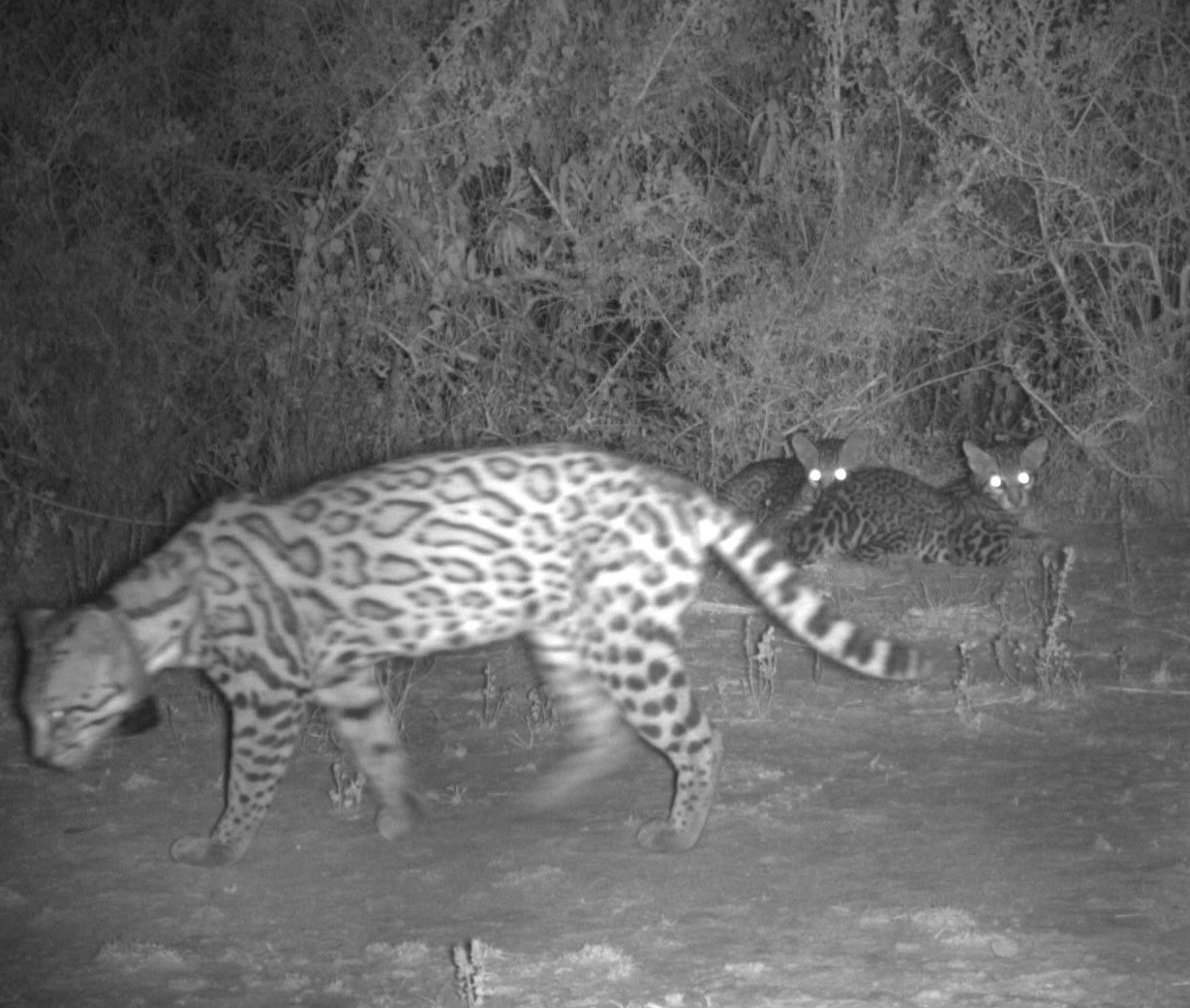
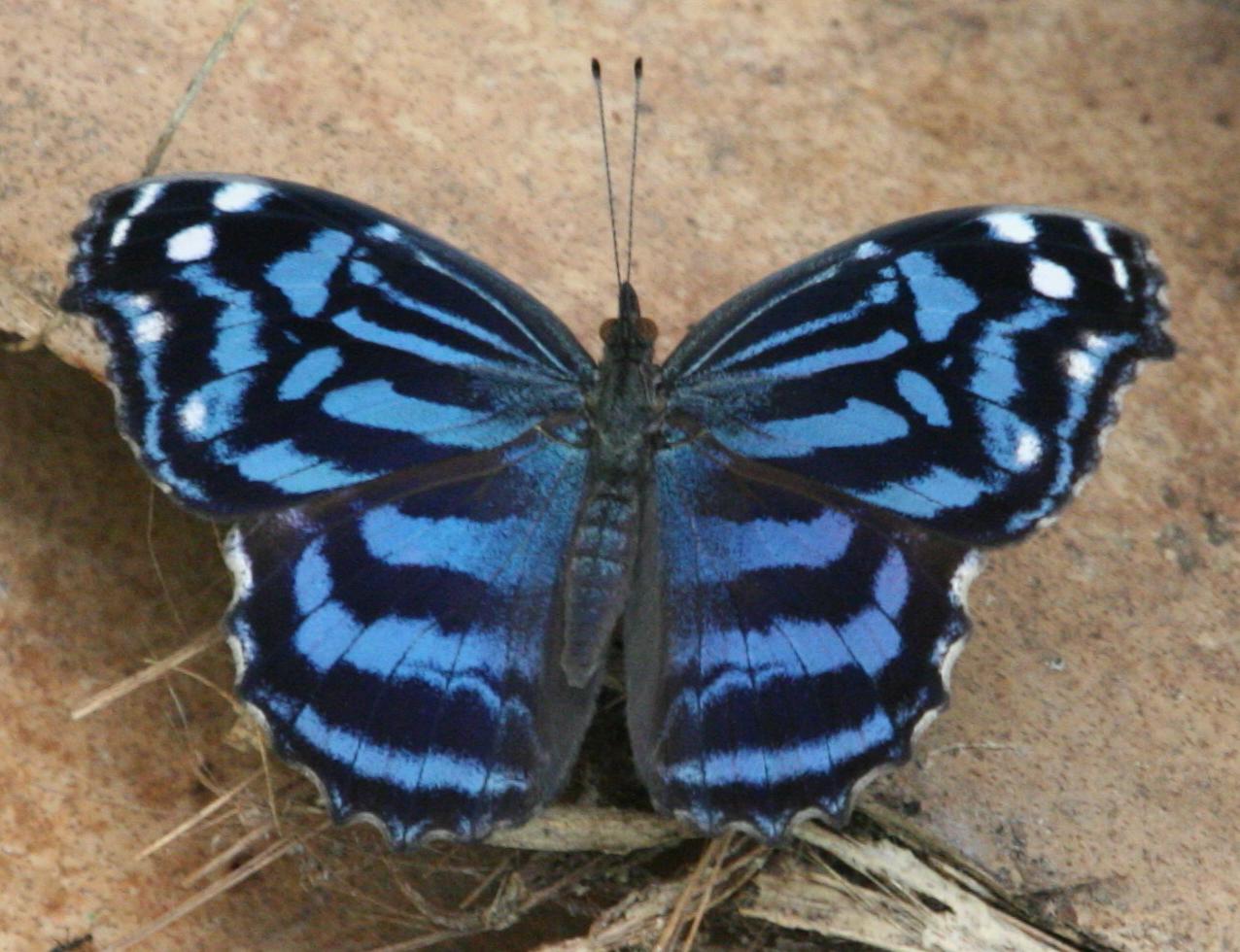
Growing a plant in cultivation cannot replace this complex habitat or the relationships within it. But propagating seeds that would otherwise be destroyed can keep individual species growing, help people understand their value, and return some of these remarkable plants to cultivated landscapes.
That is the honest purpose of conservation through cultivation: not to pretend a garden can replace the wild, but to keep a living connection to plants and places that might otherwise disappear from view.
Go deeper
Read the Texas Thornscrub guide
Explore the ecosystem, the plants that shape it, and practical cultivation lessons drawn from how they survive.
Explore the illustrated guide