← Back to the plant collection

Botanical Scout plant profile

Goldenball Leadtree

Leucaena retusa

Fragrant golden flower heads, fine foliage, and cinnamon-colored bark on a modest-sized tree.

Plant fit at a glance

Mature height & width
Usually 12–15 ft tall and wide; can reach 25 ft in favorable conditions
Foliage
Deciduous to semi-evergreen in mild climates
Winter cold
Generally Zone 7 and warmer; protect seedlings while establishing
Before planting
Thornless; allow space for its spreading branches.

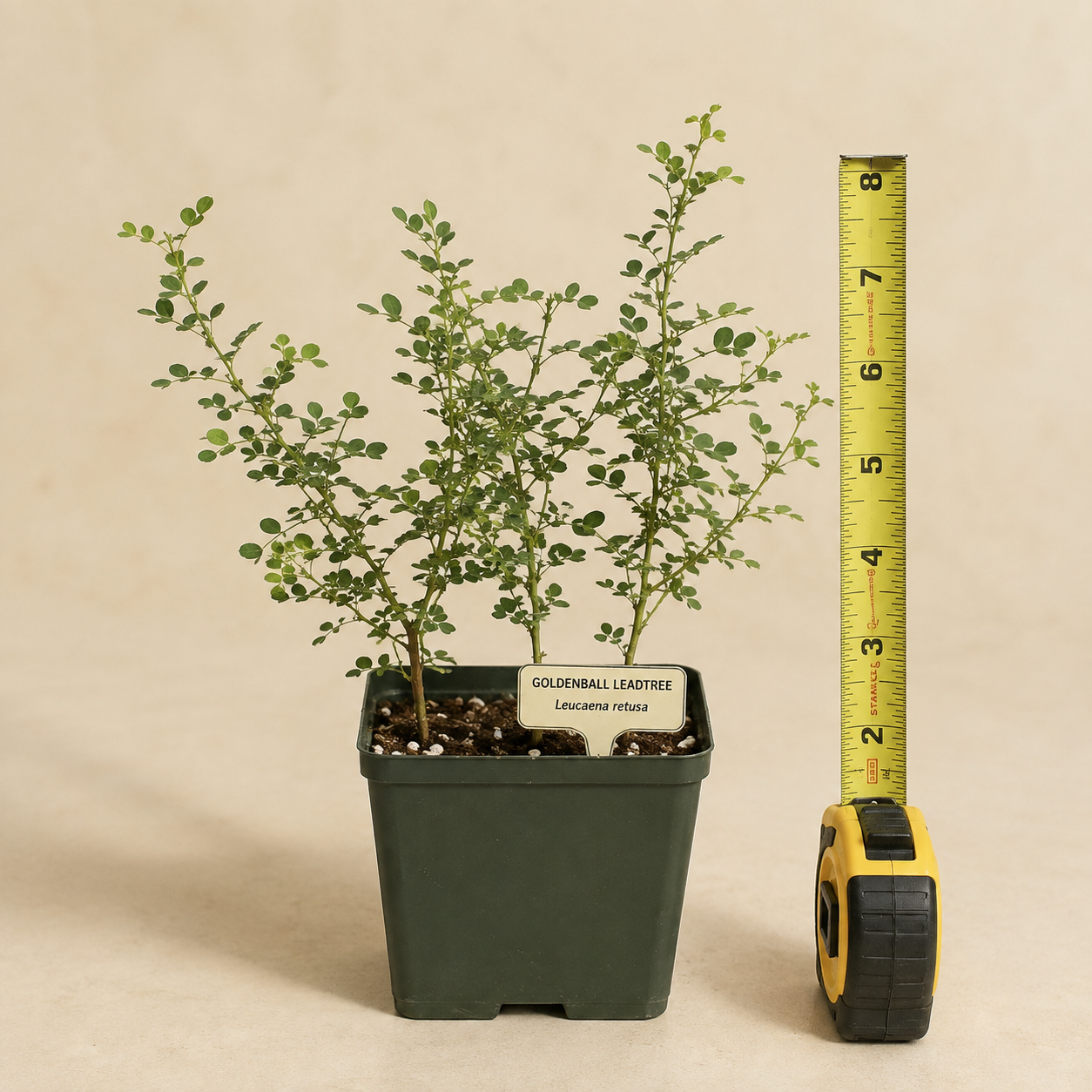
Dimensions and cold guidance describe established plants, not a guarantee for seedlings. Protect young plants; soil, drainage, exposure, and freeze duration matter.

Growing reference
Open the growing guide

Before you choose

Is it a good match for your landscape?

Mature form
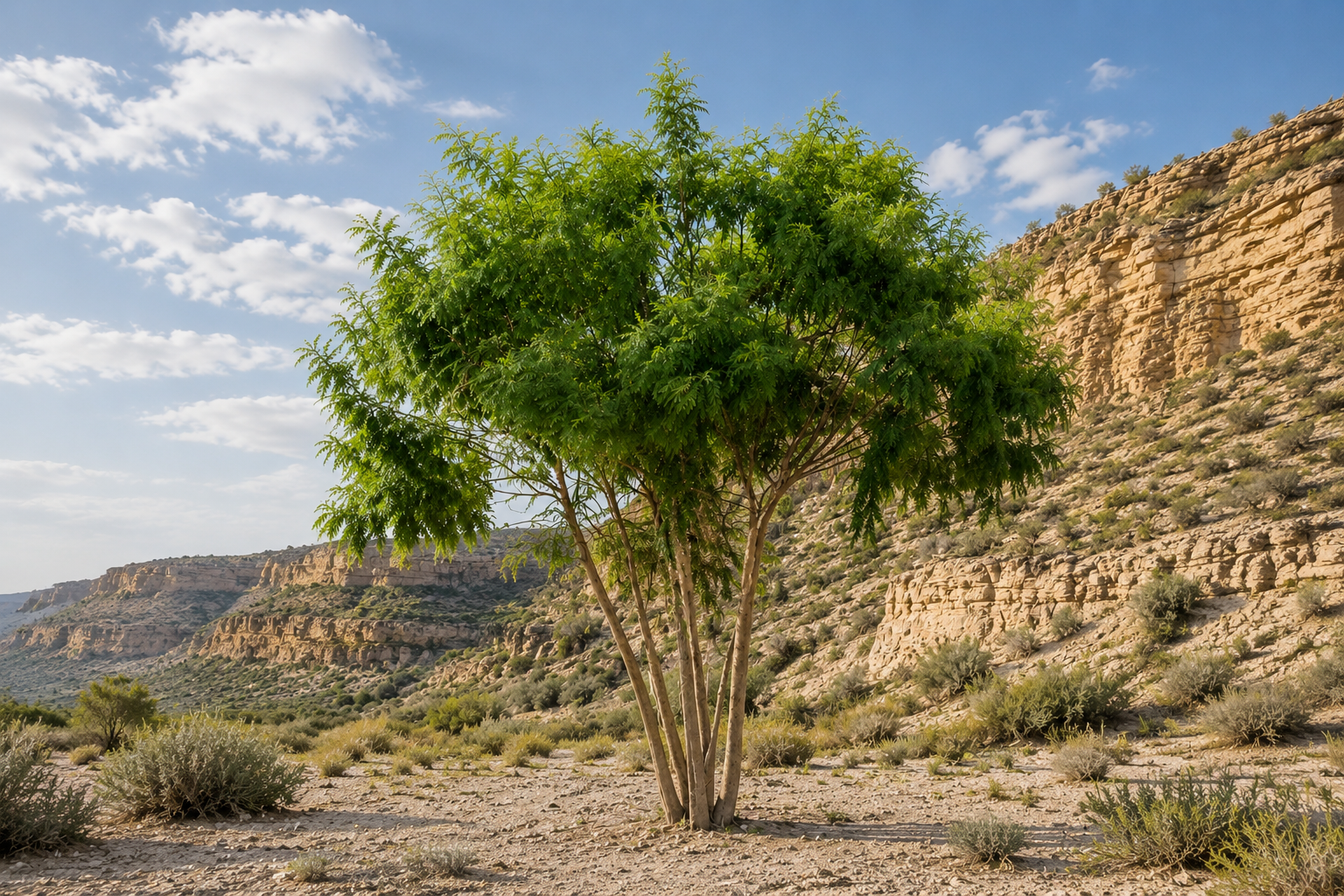
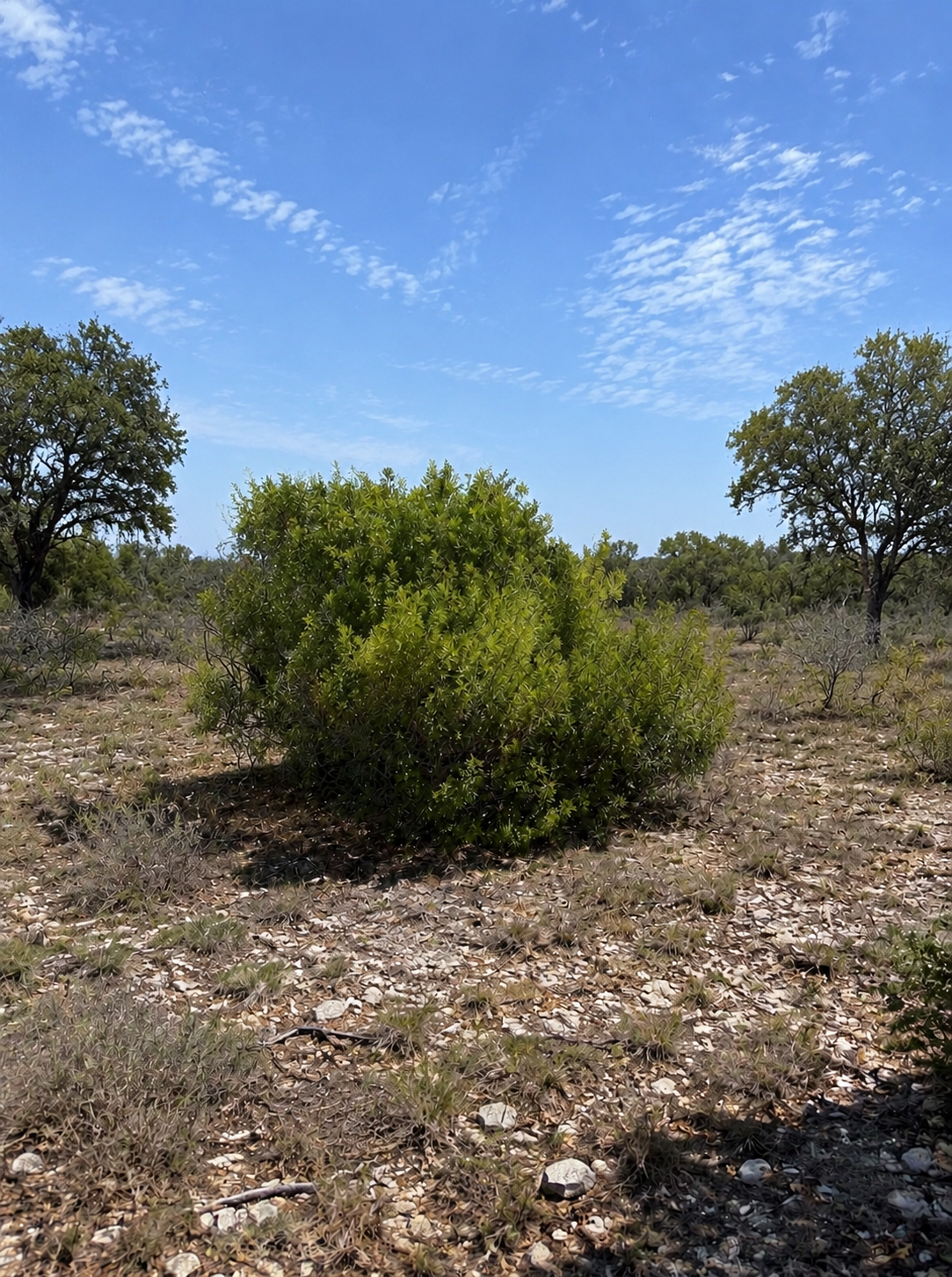
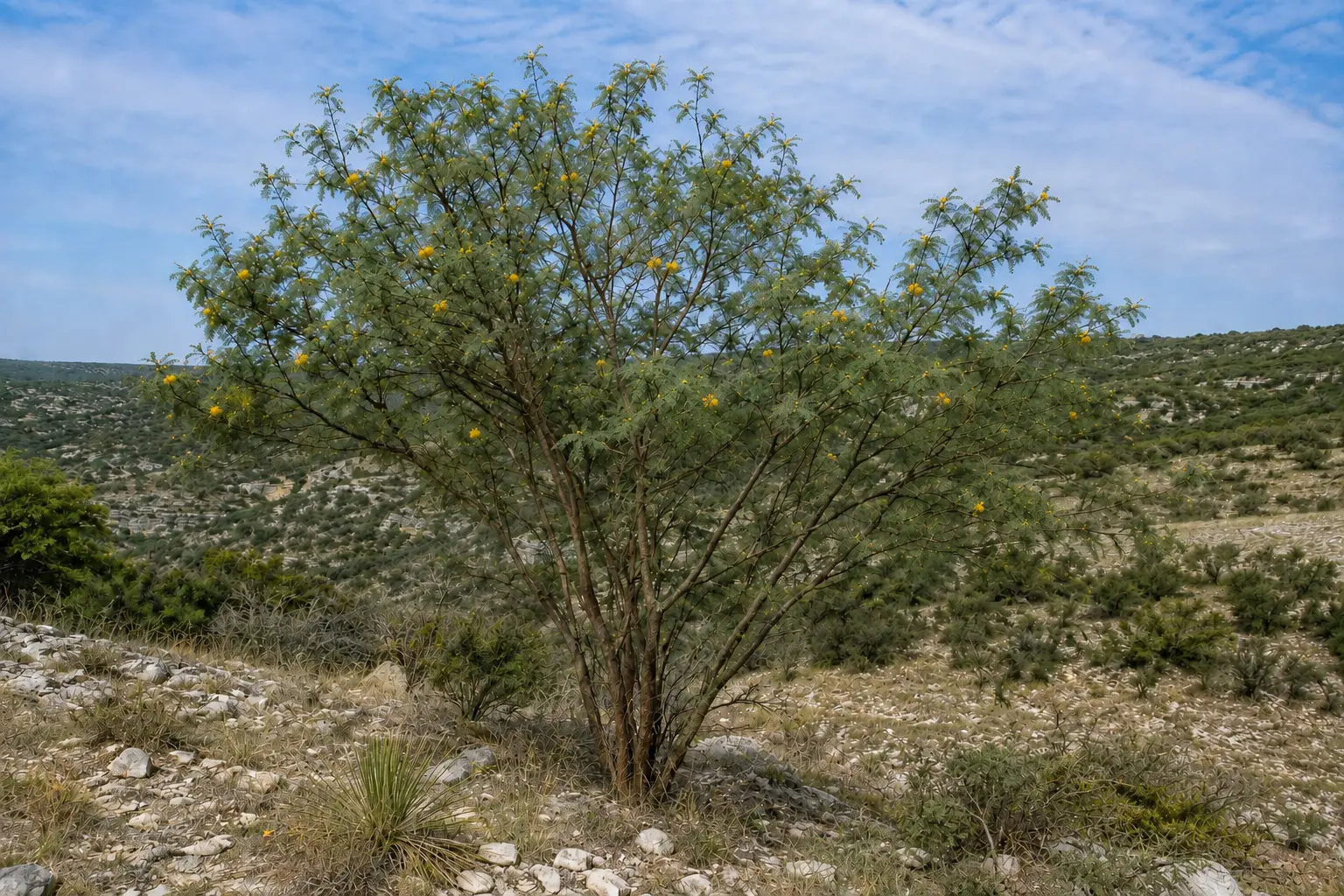
Multi-trunked small tree or large shrub
Growing conditions
Full sun · Rocky, limestone, and alkaline soils · Heat · Low water once established · Pollinator landscapes

Usually about 12–15 feet tall. Give it well-drained soil and space for a natural multi-trunked form; low-water care begins after its roots establish.

The personal story

Why I keep growing Goldenball Leadtree

Despite the name, leadtree has nothing to do with the metal lead. It is the established common name for members of the genus Leucaena; goldenball describes this species' unmistakable round yellow flower heads.

Goldenball Leadtree grows naturally in dry, rocky country from southwestern Texas and extreme southern New Mexico into northeastern Mexico. Fine foliage, cinnamon-colored bark, and fragrant golden flower heads give this modest-sized tree an unusual combination of features.

Flowers often respond to rainfall, adding a changing seasonal display. A cultivated tree at the Lady Bird Johnson Wildflower Center in Austin has introduced many visitors to this underused native.