← Back to the plant collection

Botanical Scout plant profile

Littleleaf Sumac

Rhus microphylla

A durable habitat shrub with sculptural branches, seasonal foliage, and shelter for wildlife.

Plant fit at a glance

Mature height & width
About 6–12 ft tall and wide
Foliage
Deciduous
Winter cold
A cold-tolerant Southwestern shrub; local exposure, drainage, and seed source affect winter performance
Before planting
Fruit requires a female plant and compatible pollination; seedling sex is not guaranteed.

Dimensions and cold guidance describe established plants, not a guarantee for seedlings. Protect young plants; soil, drainage, exposure, and freeze duration matter.

Growing reference
Open the growing guide

Before you choose

Is it a good match for your landscape?

Mature form
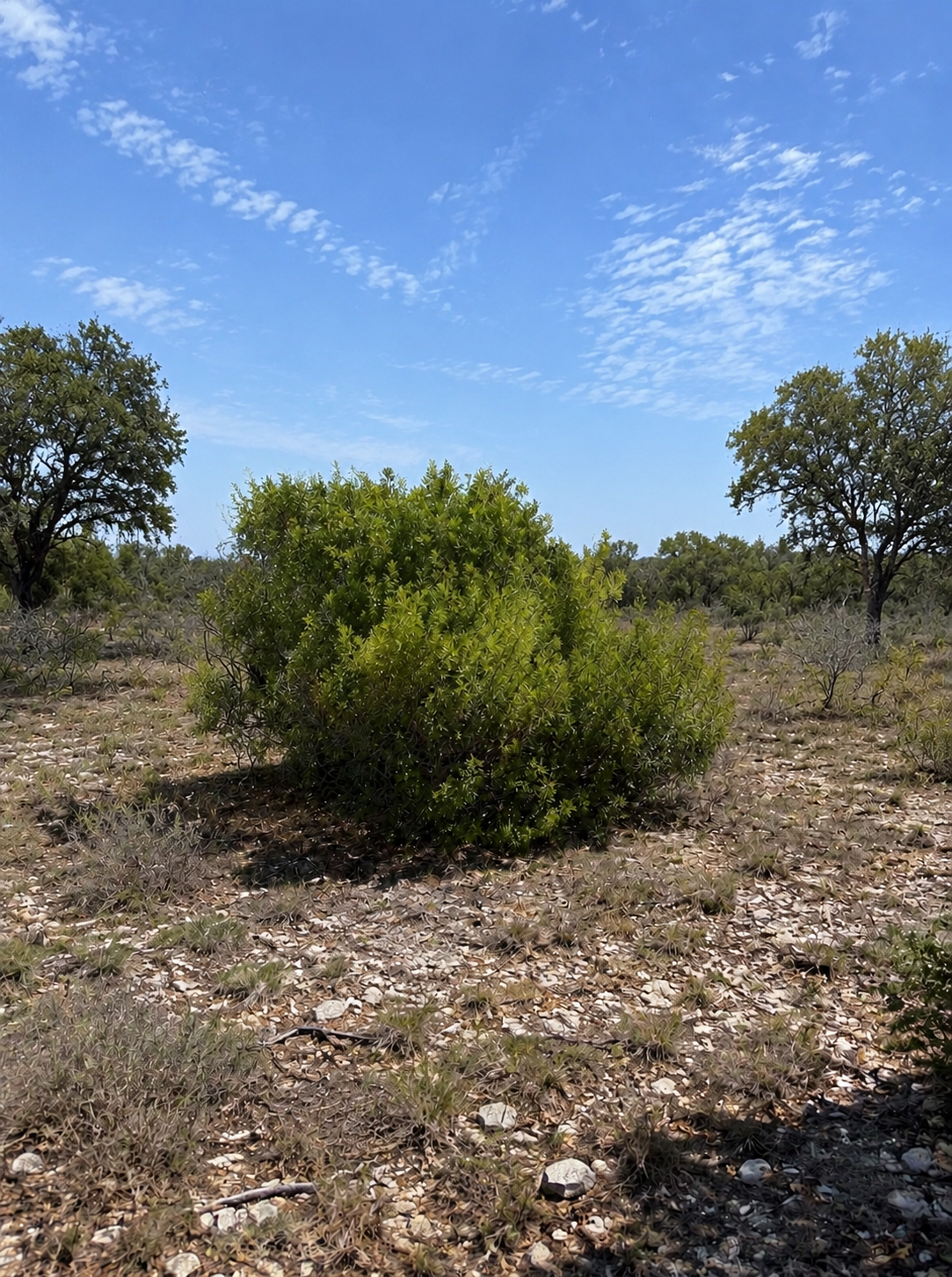
Broad, densely branched deciduous shrub
Growing conditions
Full sun to light shade · Rocky and limestone soils · Heat and drought · Slopes and erosion control · Wildlife habitat

Allow room for its naturally spreading, colony-forming habit. Mature plants are commonly 4–8 feet tall and 8–20 feet wide, creating valuable cover and structure for wildlife.

The personal story

Why I keep growing Littleleaf Sumac

Its tiny leaflets are part of a larger survival strategy: they limit moisture loss while a dense framework of branches shelters wildlife and holds difficult ground together.

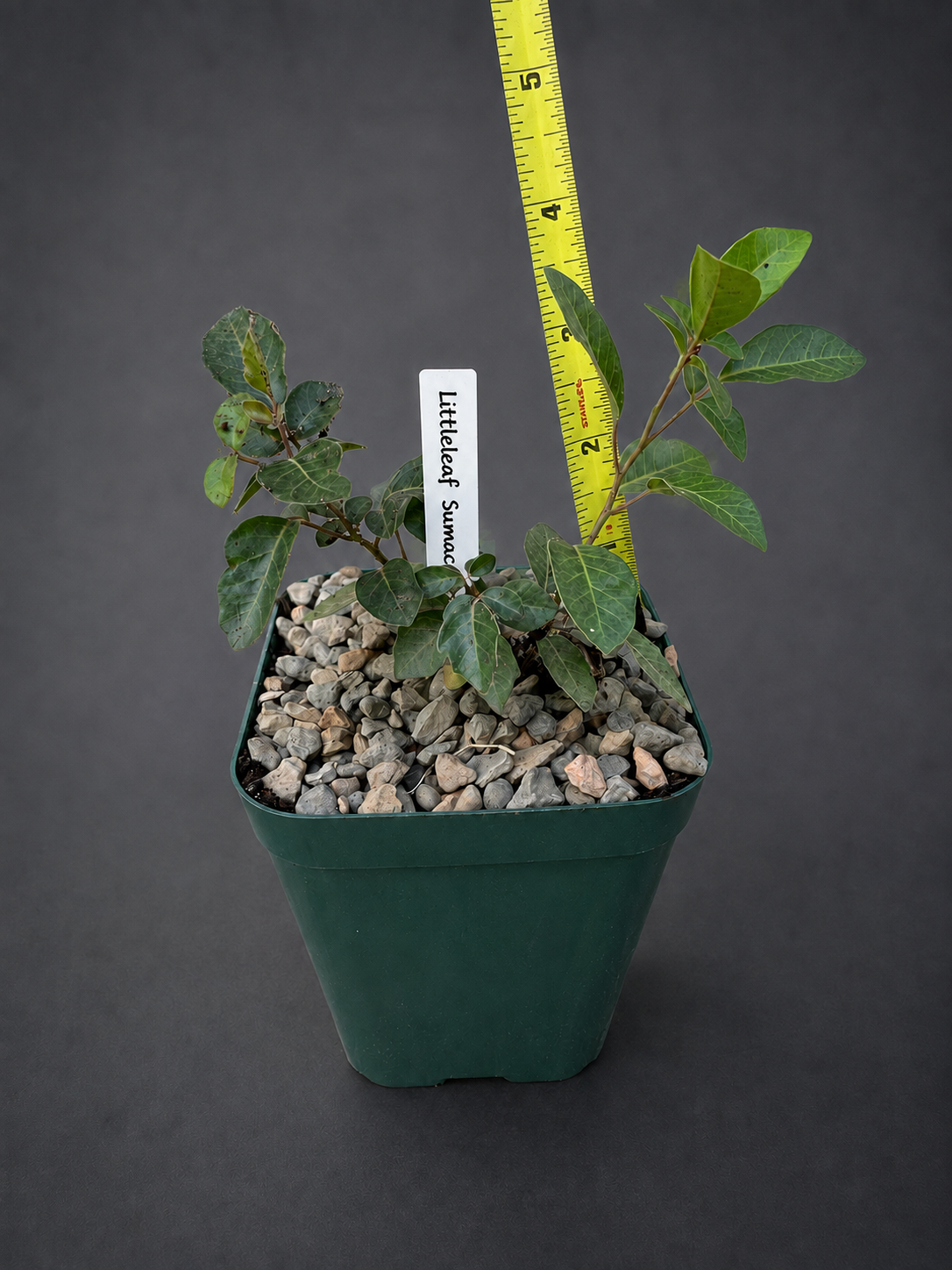
Littleleaf Sumac brings the character of Southwestern dry country into the garden: small leathery leaflets, crooked sculptural branches, and foliage that may develop warm colors before dropping.

Its dense growth shelters wildlife, and pollinated female plants produce orange-red fruit. It can form a colony, making it useful for naturalistic plantings and slopes where there is room for it to spread.