
The personal story
Velvet leaves, golden flowers, and a living history
A soft leaf, a golden bloom, and perhaps a butterfly’s beginning—this is a plant that rewards a closer look.
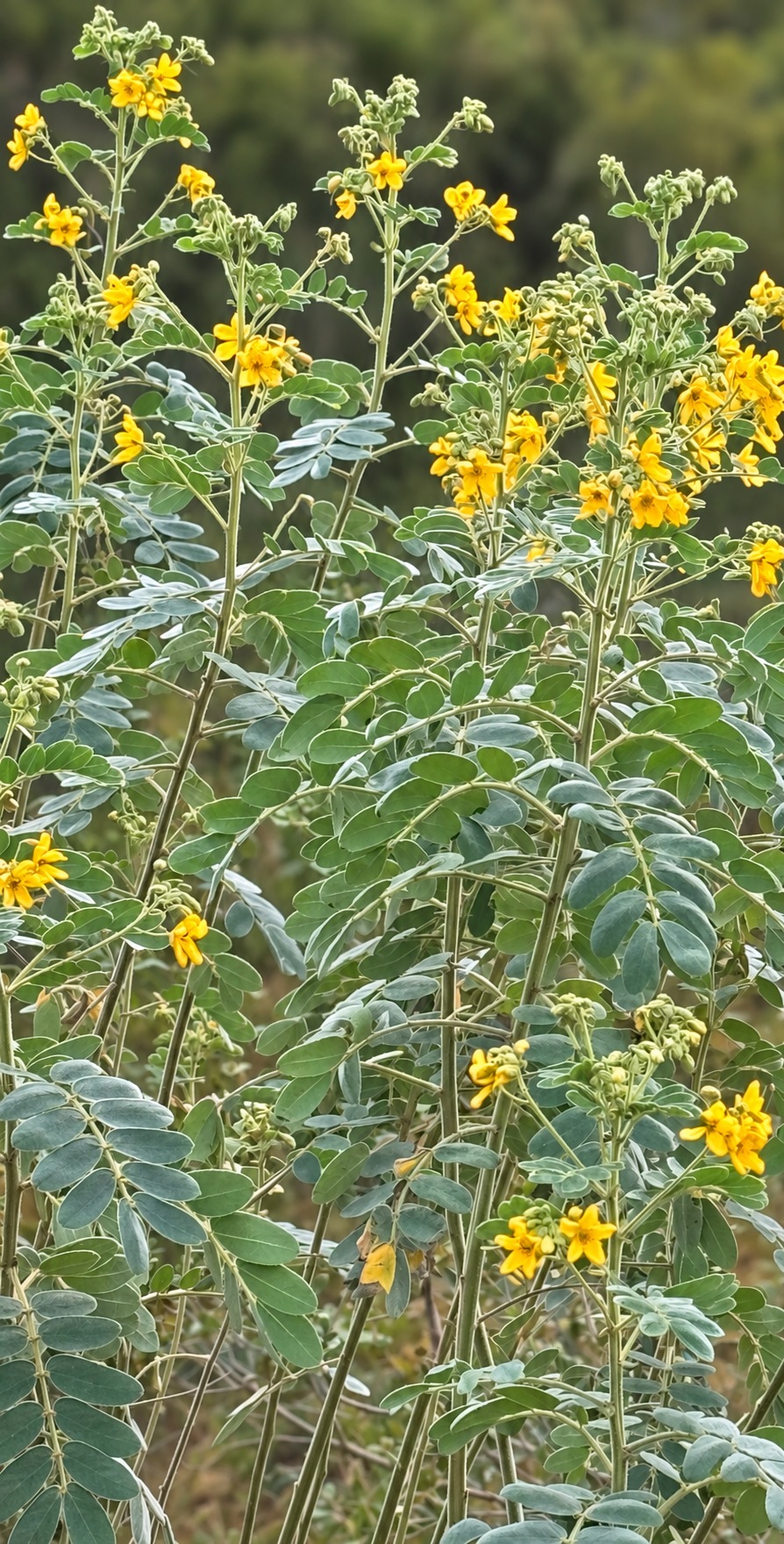
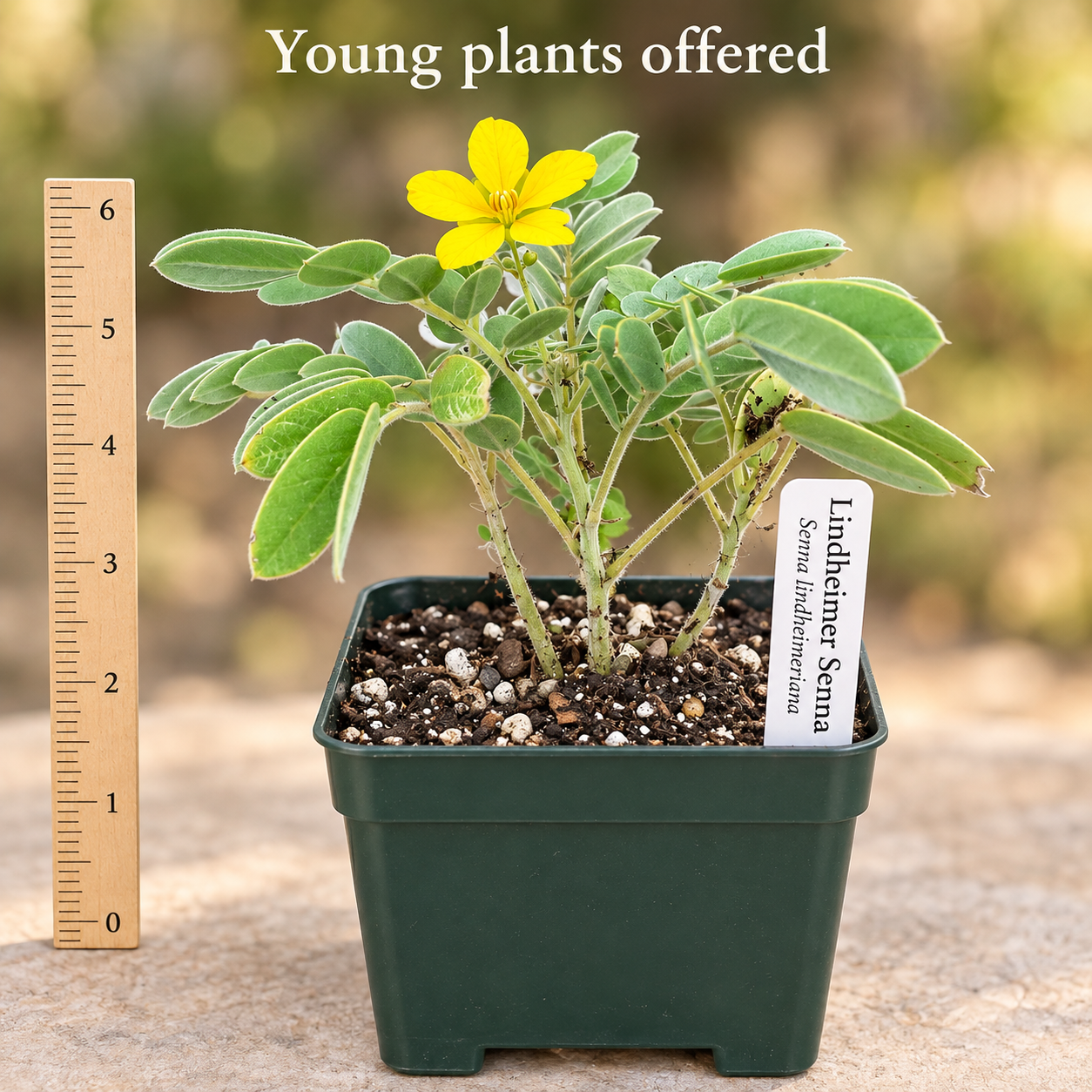
The first thing you notice may be its leaves. Softly furred and gray-green, they give Lindheimer’s senna its affectionate nickname, puppy-dog ears. In late summer and fall, clusters of bright yellow flowers add another reason to stop and look.
Then something else may happen: a butterfly chooses your plant. Lindheimer’s senna is a host plant for sleepy orange and other sulphur butterflies. Their caterpillars feed on its foliage, turning a few nibbled leaves into evidence of a new life underway. Bees visit the flowers, adding another chapter to the garden’s daily activity.
Native from Arizona through New Mexico and Texas into northern and eastern Mexico, this perennial belongs to the wider Southwest. Its natural home includes dry, rocky ground—a useful connection for gardeners looking for plants suited to well-drained, low-water landscapes.
The name carries a piece of Texas history. Both Lindheimer’s senna and its scientific name, Senna lindheimeriana, honor Ferdinand Jacob Lindheimer (1801–1879), the German-born naturalist widely known as the Father of Texas Botany. He made his home in New Braunfels and devoted years to collecting, preserving, and recording Texas plants. His specimens went to botanists such as George Engelmann and Asa Gray, helping them describe and name plants that were little known to botanical science. He also worked as a newspaper editor in New Braunfels. Growing this senna is a small, living connection to his curiosity and his role in documenting Texas’s remarkable flora.
Today, Lindheimer’s senna also grows in the public garden surrounding Lindheimer’s preserved historic home in New Braunfels. It is a living link between the explorer and the plant that carries his name.
Usually about three to four feet tall and wide, it brings soft foliage and late-season color to native borders and informal gardens. Give it sun to partial shade and good drainage. Water young plants while roots establish, then reduce watering as they develop. Too much water can encourage lanky growth. Its foliage is seasonal; cut it back after frost browns the leaves.
Grow it for its beauty. Stay curious about who arrives.
Main image is Steve’s photograph with an AI-edited background. The previous flower photograph by Stan Shebs is retained in the gallery under CC BY-SA 3.0. Explore the story: Plant and butterfly reference · Who Ferdinand Lindheimer was · Botanical history and native range · Lindheimer’s historic garden
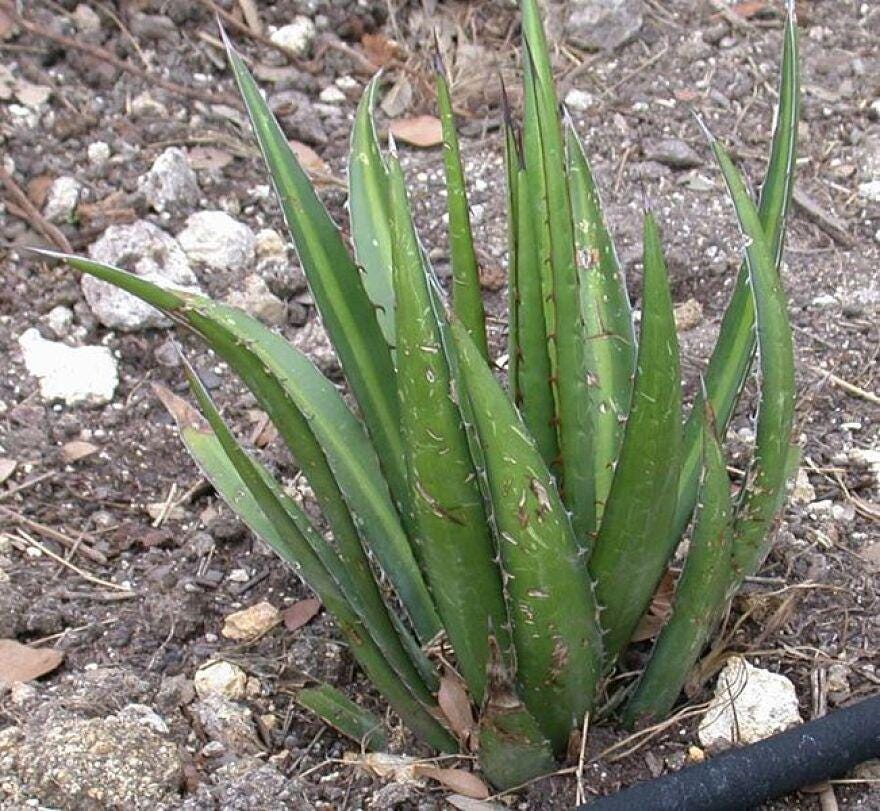 Mature plant — growth reference
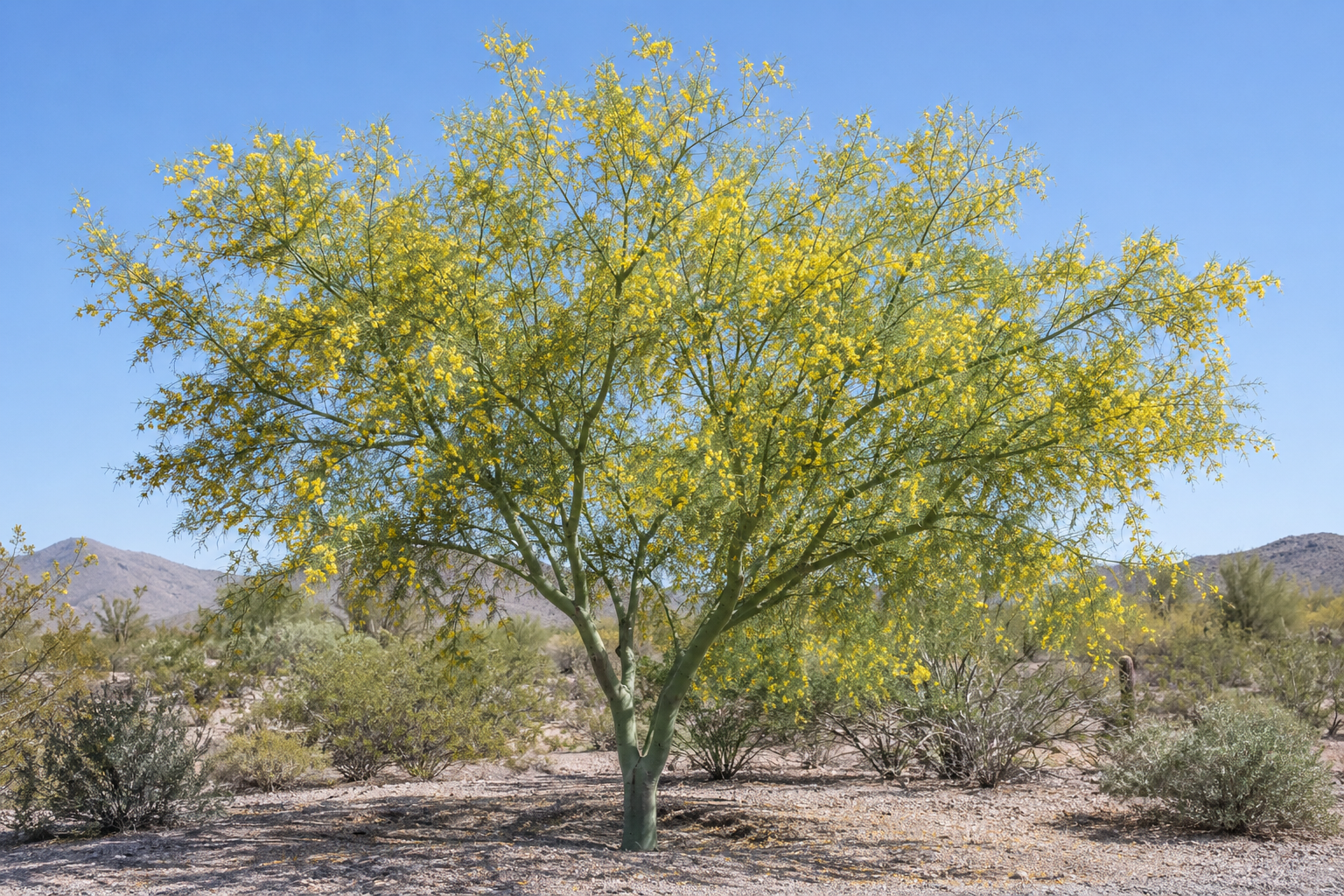 Mature plant — growth reference